Information
Landmark: Jeonju Confucian SchoolCity: Jeonju
Country: South Korea
Continent: Asia
Jeonju Confucian School, Jeonju, South Korea, Asia
Overview
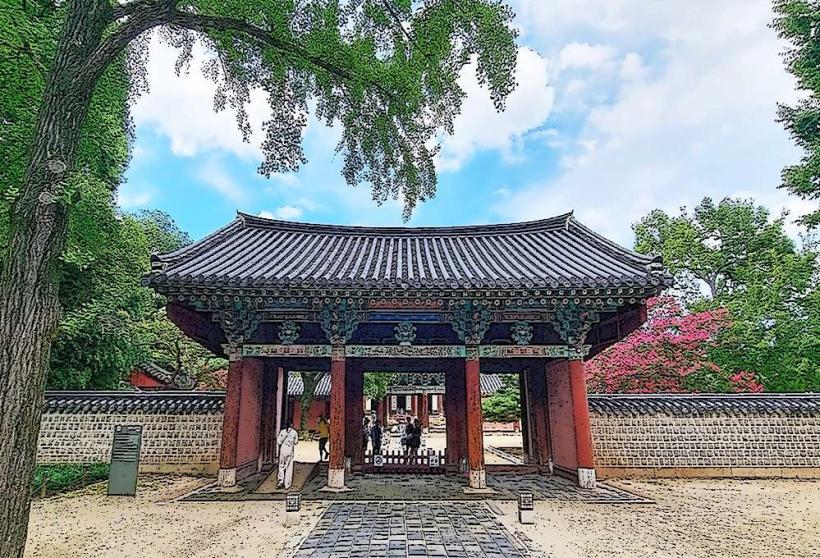
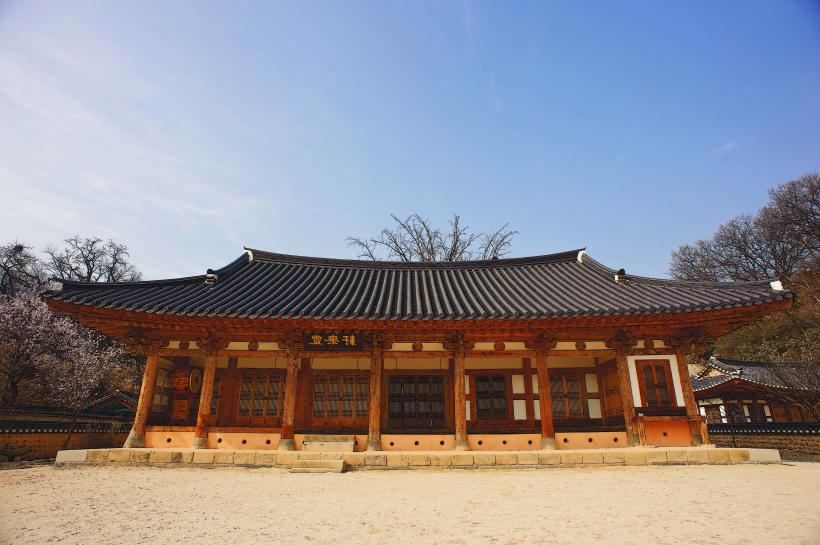
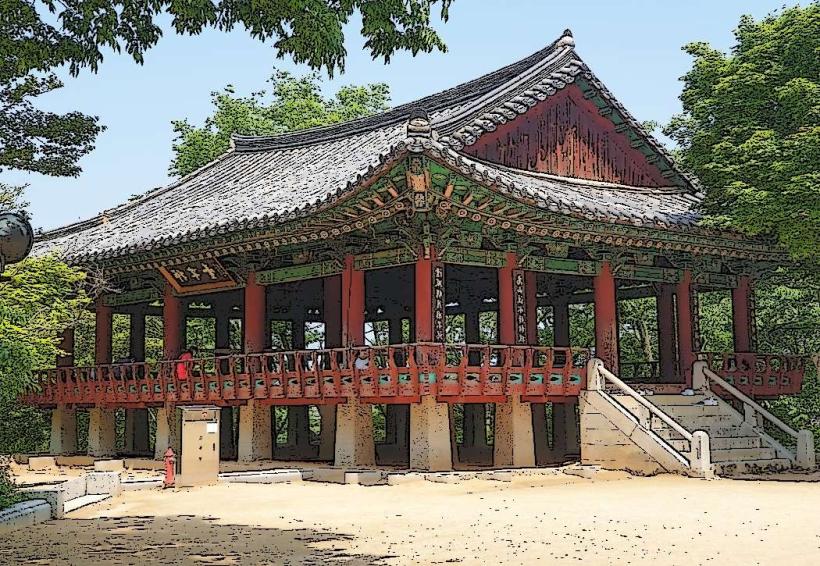
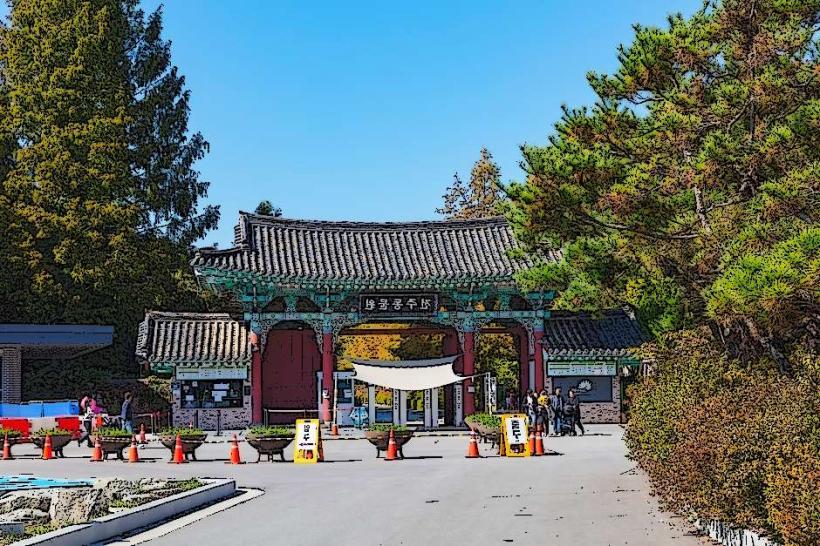
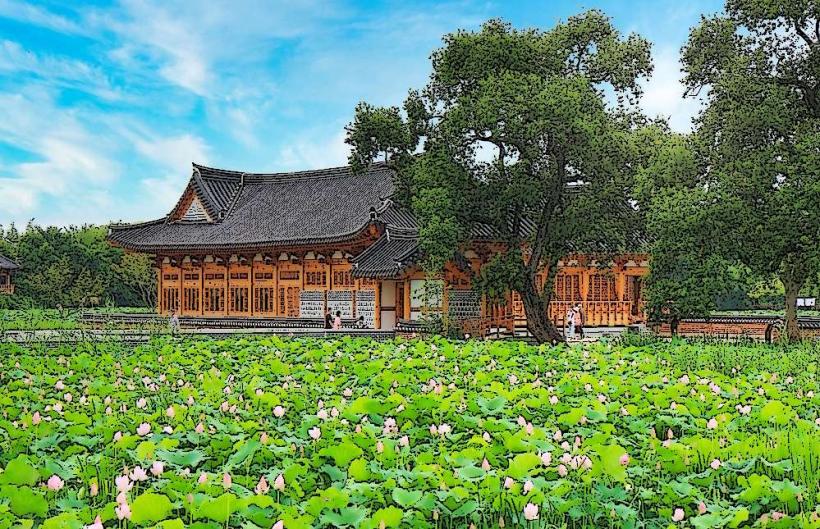
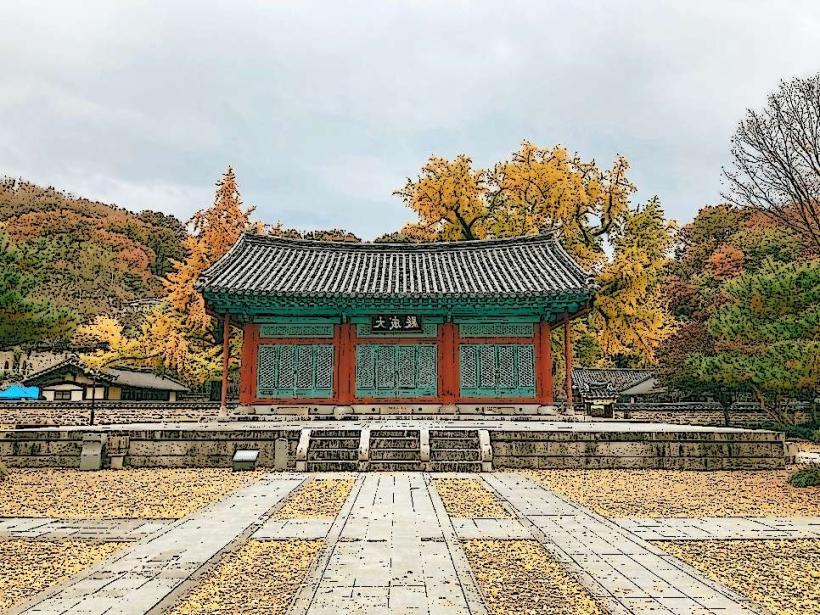
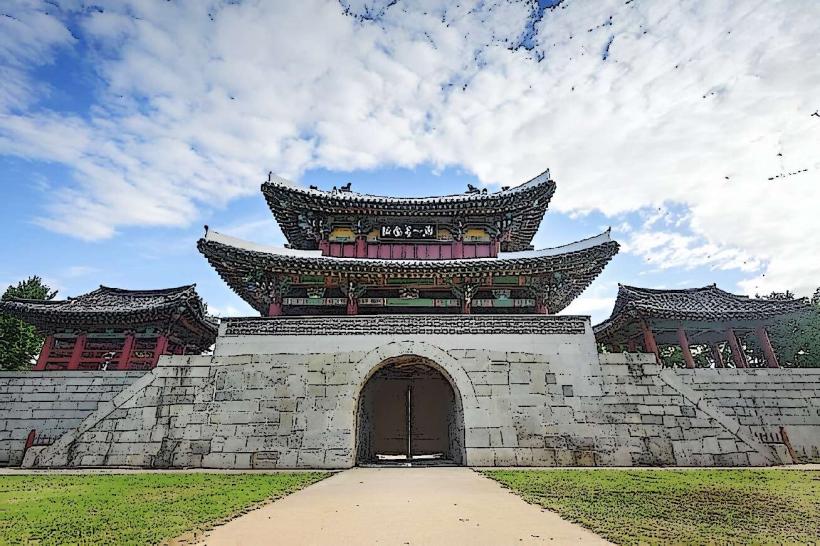
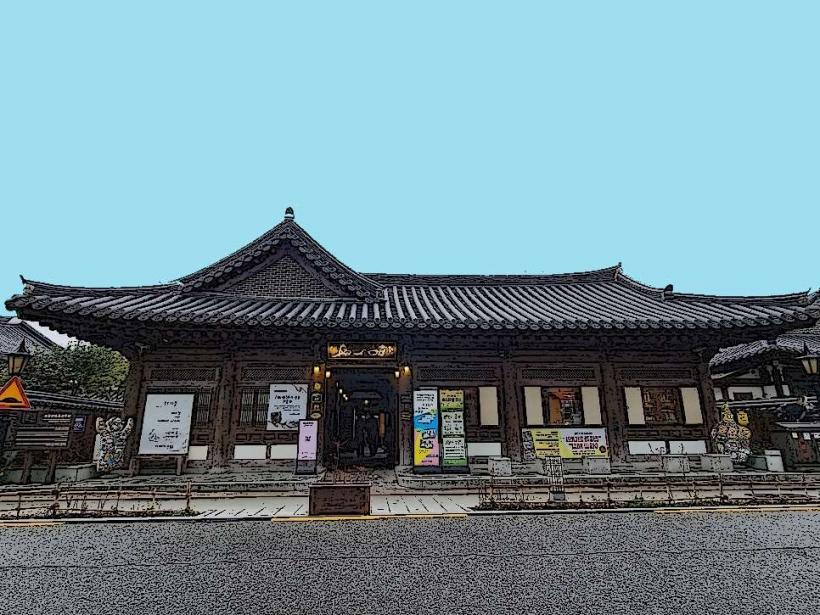
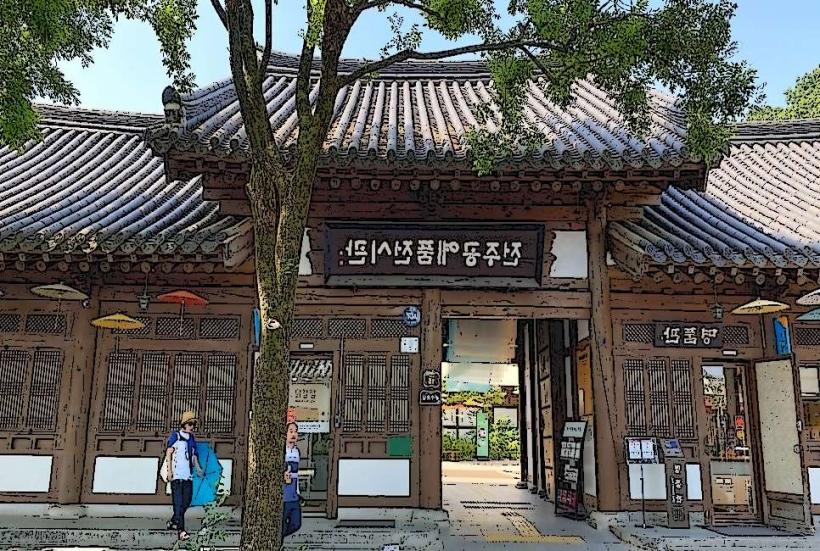
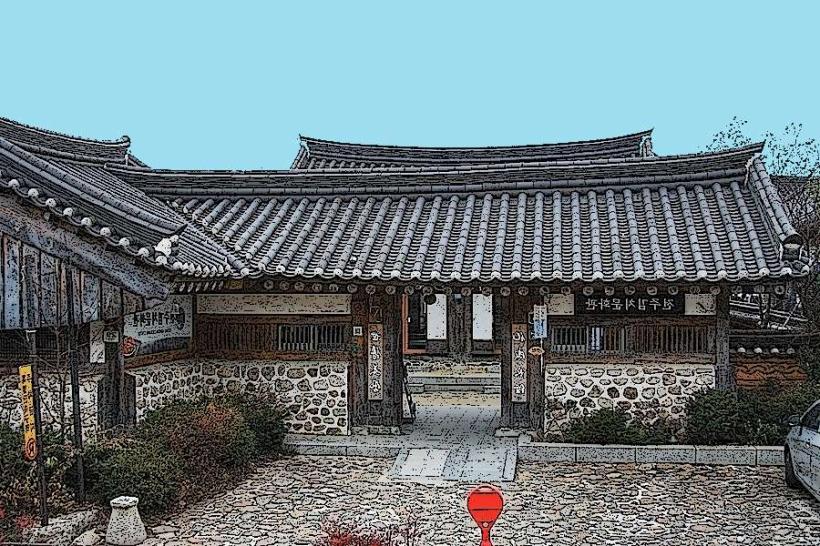
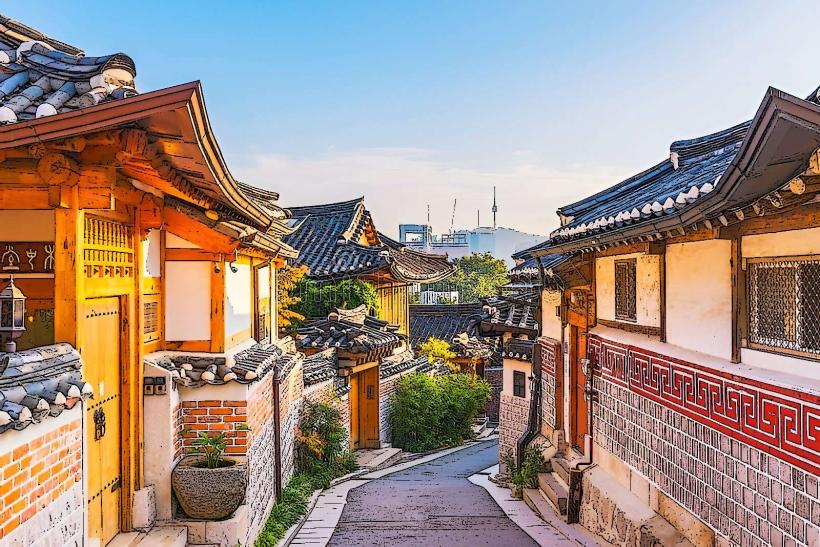
In Jeonju, South Korea, the Jeonju Confucian School (전주향교) stands as a centuries-heritage academy, its worn wooden gates and quiet courtyards echoing the deep influence of Confucianism on Korean life, besides founded in the Joseon Dynasty, the school taught the local elite and trained scholars in Confucian thought and ethics, its quiet courtyards echoing with the rustle of brush on paper.Today, it still stands as one of Jeonju’s most treasured cultural and historical landmarks, its weathered wooden beams telling stories of centuries past, as well as here’s what stands out about the Jeonju Confucian School-starting with the first feature.The Jeonju Confucian School was first built in 1398, in the early days of the Joseon Dynasty (1392–1897), when the scent of fresh ink and the strict order of Confucian thought began shaping Korea’s official ideology, on top of that the school opened to educate the sons of the yangban-the ruling class-and to foster study of the Confucian classics, the backbone of learning then, from polished calligraphy to the Analects’ measured lines.The Confucian school was both a location to study and a temple where scholars gathered for rituals, lighting incense and bowing in honor of Confucius, the heart of their philosophy, consequently number two.At the Jeonju Confucian School, the buildings echo the graceful lines and wooden eaves of traditional Joseon-era design, to boot the design emphasizes simplicity and symmetry, echoing Confucian ideals of harmony and balance, like the even lines of a quiet garden path, somewhat As you can see, Main Building: The school’s spacious main hall, called the Myeongnyundang (명륜당), once rang with voices during lectures, formal ceremonies, and lively scholarly debates, what’s more the hall stands as a vital landmark, echoing Confucian ideals of learning and deep respect for scholars, its wooden beams worn smooth by centuries of passing hands.Confucius Shrine: Inside the school stands a quiet shrine honoring Confucius and other revered Confucian scholars, its wooden incense holder faintly scented with smoke, subsequently the shrine sits at the heart of the school, where it comes alive during ceremonies honoring Confucius, especially on Confucius Memorial Day, when incense smoke curls into the air.Courtyards and gardens fill the school grounds, their quiet paths and rustling leaves creating a calm space for study and reflection, echoing the Confucian belief in balancing nature with learning, consequently number three.As a center of Confucian learning, the Jeonju Confucian School devoted itself to teaching the revered classics, from the Four Books (사서, Saseo) to the Five Classics (오경, Ogyeong), often read aloud in the quiet echo of its wooden halls, in turn these texts formed the backbone of the curriculum, designed to shape students into thoughtful, principled leaders with sharp minds-like polishing a lens until every detail comes into focus.During the Joseon Dynasty, Confucian schools shaped their lessons to foster the study of moral philosophy and ethics, from classic texts to quiet debates over right and wrong, also prepare students for the civil service exams, which demanded a solid grasp of Confucian writings, from terse maxims to elegant lines about virtue and duty.To be honest, Train scholars and officials who’ll run the government and guide the nation, following Confucian ideals as faithfully as ink follows a brush stroke, likewise number four came next, marked in thick black ink, slightly often At the heart of the Jeonju Confucian School is its enduring role in carrying out Confucian ceremonies, from the measured beat of the drum to the rustle of silk robes in the courtyard, along with each year on Confucius Memorial Day-the 28th day of the eighth lunar month-people gather for ceremonies filled with rituals honoring the philosopher, incense curling into the morning air.During these ceremonies, people site offerings-like bowls of ripe fruit-before Confucius and other revered scholars, furthermore local scholars, community leaders, and students gather to perform rituals, a solemn nod to Confucian ideals of respect, wisdom, and learning, as incense smoke curls softly into the air, moderately As you can see, At the school, students pause to reflect on Confucian values like filial piety, integrity, and scholarship-principles that still shape Korean life today, as steady as the scent of ink on an historic calligraphy scroll, furthermore five.Today, the Jeonju Confucian School isn’t a location where students sit at desks and follow a set curriculum-it no longer serves as a formal school, subsequently still, it’s an essential cultural landmark, now a museum where visitors can trace the story of Confucianism in Korea-its roots, its role in shaping the nation’s schools, and even the way its leaders once governed, fairly It also draws visitors eager to explore Korea’s Confucian heritage, from quiet courtyards to the graceful lines of its traditional architecture, simultaneously the school comes alive with cultural events and activities, especially on Confucius Memorial Day and during local festivals when luminous banners flutter in the breeze.Somehow, These events give visitors a chance to step into the world of Confucian learning-hearing the leisurely beat of a ceremonial drum, watching the careful gestures that have been passed down for centuries, as well as the site hosts educational programs that explore Confucianism, traditional Korean learning, and Jeonju’s rich history as a hub of ideas and culture-sometimes even showing aged ink brushes laid out on worn wooden desks.As you can see, Number six stood alone, a minute black mark in the corner of the page, besides the Jeonju Confucian School sits just a short trek from Jeonju Hanok Village, where narrow lanes wind past wooden hanok houses and centuries-timeworn cultural landmarks, for the most part Because it sits right in the heart of the city, visitors can easily stop by the Confucian School, then wander out to explore Jeonju’s bustling streets and layered cultural heritage, not only that you can reach the school easily by bus, and it’s just a short saunter to Jeonju’s highlights like the tiled roofs of Hanok Village and the ancient stone arch of Pungnammun Gate.In conclusion, the Jeonju Confucian School stands as an significant cultural and historical landmark, offering a clear glimpse into how Confucian ideals once shaped Korean society and education, from the quiet courtyards to the timeworn wooden lecture halls, not only that steeped in history and framed by graceful, timeworn roofs, it still stands as a proud emblem of Jeonju’s intellectual roots and its enduring bond with Confucian thought.Whether you love history, crave cultural discoveries, or have a curiosity for Korean philosophy, stepping into the quiet courtyards of Jeonju Confucian School offers an experience that’s both rare and deeply rewarding.
Author: Tourist Landmarks
Date: 2025-09-16